I WANT TO SELL
phone
+31 53 234 0051
SELL
🇬🇧
English GB
search
Home
>
Mixers & Blenders
>
Dispersers
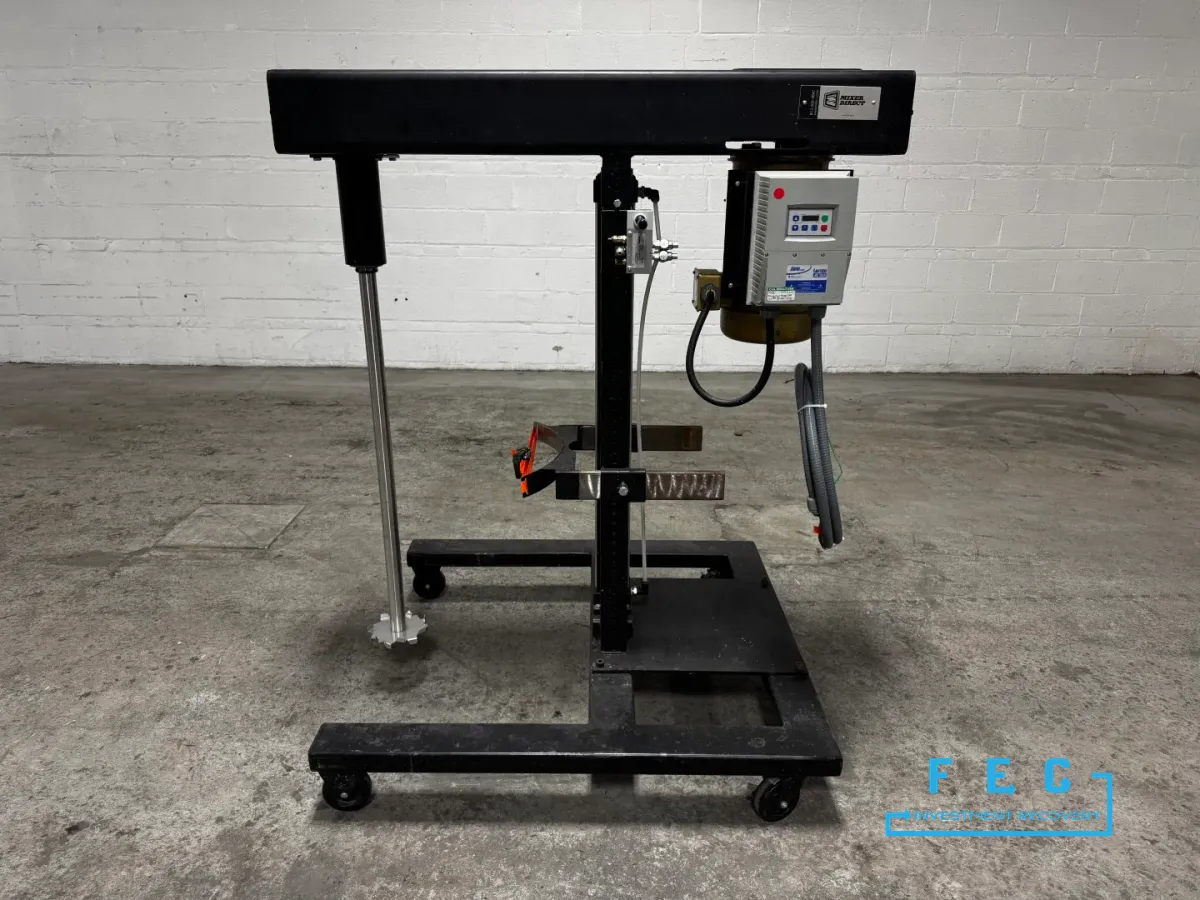
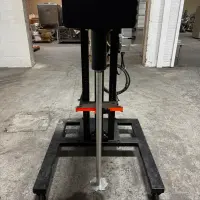
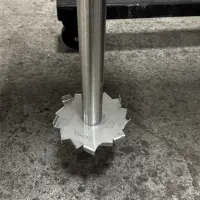
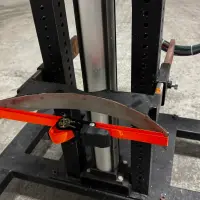
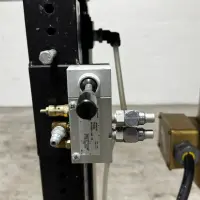
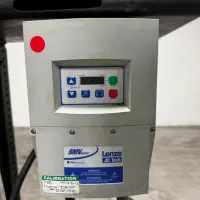
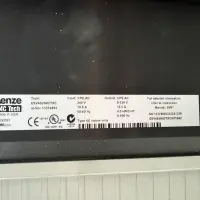
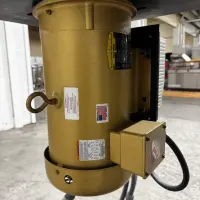
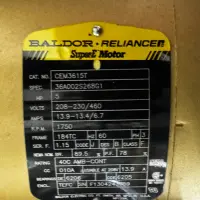
Used equipment for sale: 5 HP Mixer Direct Disperser, Series DP-3, S/S
Dispersers
Specifications
SKU
4904-2
GSKU
022026189454
Condition:
Used
Location:
Cleveland, OH
share
Share
More information about the mixer-direct-dp-3
Dispersers, also known as dispersal agents or dispersal vectors, are organisms or mechanisms that facilitate the movement of seeds, spores, or other reproductive structures away from the parent plant or organism. The dispersal process is crucial for the survival and distribution of many plant and fungal species, as it allows them to colonize new habitats, escape competition, and avoid inbreeding. Dispersers can be classified into two main categories: biotic and abiotic. Biotic dispersers are living organisms that actively transport seeds or spores. They include animals such as birds, mammals, insects, and reptiles. These organisms often consume the fruits or seeds of plants and then excrete them in a different location, allowing for seed dispersal. Some animals also disperse seeds by attaching them to their fur or feathers or by burying them for later consumption. Abiotic dispersers, on the other hand, are non-living factors that aid in seed or spore dispersal. These can include wind, water, gravity, or even human activities. Wind dispersal, or anemochory, is particularly common in plants with lightweight seeds or structures that act as parachutes or wings, enabling them to be carried by air currents. Water dispersal, or hydrochory, is prevalent in aquatic or riparian plants that produce buoyant seeds or fruits. Gravity dispersal, or barochory, occurs when heavy fruits or seeds fall from the parent plant and roll or bounce away. Human activities, such as agriculture, gardening, or unintentional transportation, can also act as dispersal agents. The effectiveness of dispersers depends on various factors, including the characteristics of the dispersal agent, the structure of the seed or spore, and the environment. Dispersal can have both positive and negative impacts on plant populations. It can enhance genetic diversity, promote colonization of new habitats, and facilitate species interactions. However, it can also lead to competition, predation, or the colonization of unsuitable habitats. In conclusion, dispersers play a crucial role in the movement and distribution of seeds and spores. They can be biotic or abiotic agents that aid in the survival and dispersal of plant and fungal species. Understanding dispersal mechanisms is essential for studying plant ecology, conservation, and the dynamics of ecosystems.
Unfortunatly this item is sold, would you like to know if there are similar items available?
Loading....
Loading...
person
Login/Register
cookie
Please enable JavaScript to continue using this application.